
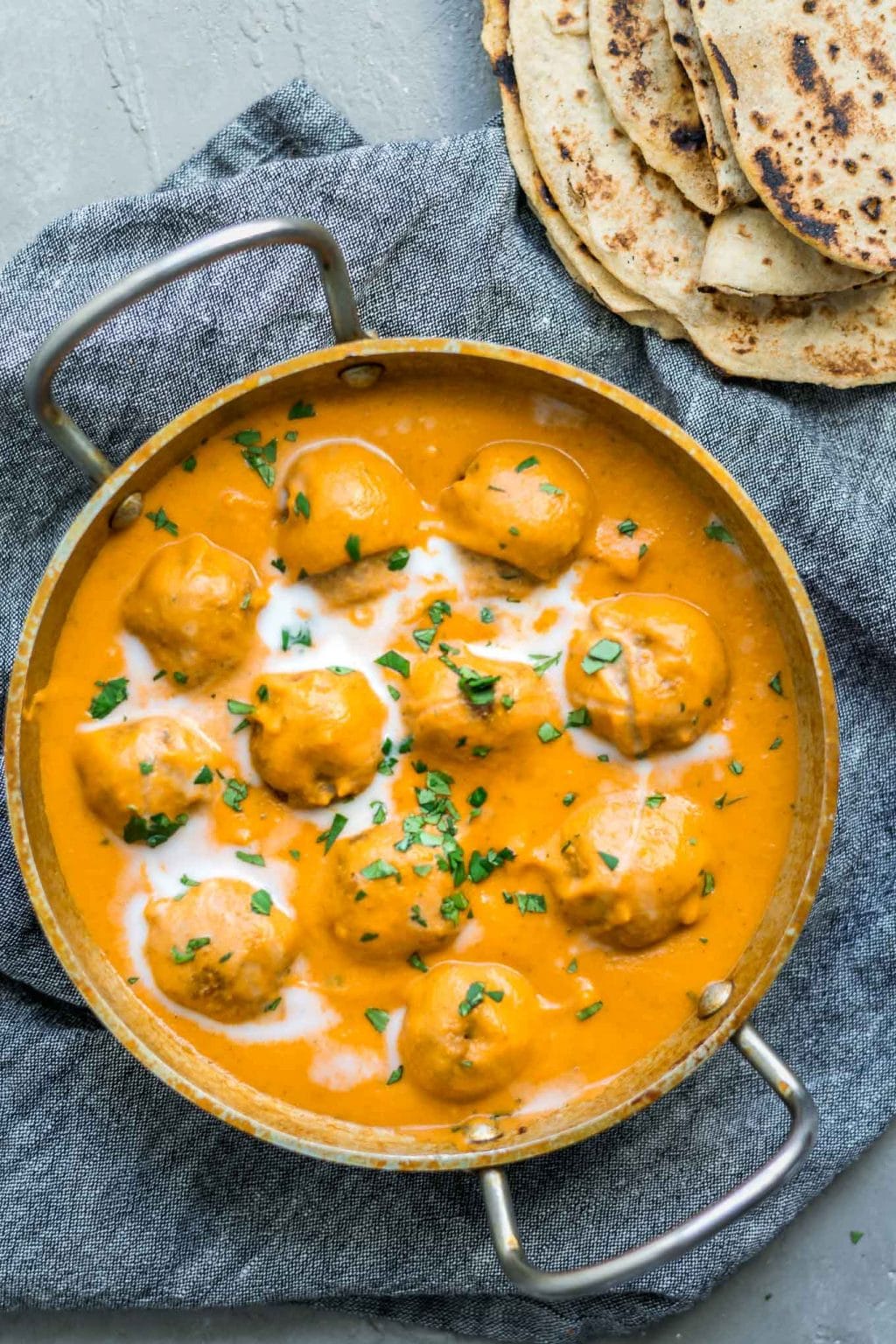
If malai kofta isn't one of your top 5 Indian dishes you probably fall into one of these categories: you've never been to an Indian restaurant*, you've been vegan or lactose intolerant your whole life, you don't like rich foods, or you're really bad at ordering.
Kofta are meatballs, and there are variations of them from the Balkans and Middle East through South Asia. In this dish they are typically made with potatoes and paneer (a fresh farmer's cheese). Malai simply means cream.
In this recipe we make easy swaps for those two non-vegan ingredients for the most delicious, richest tasting, better-than-restaurant style malai kofta. Sound like dream? Because, it is, and you should be eating it already!
*most Indian restaurants outside of India specialize in North Indian cuisine which is heavy in dairy with a lot of dishes using cream and/or ghee. South Indian cuisine, where you'll find delicious dosa and uttapam, are typically more vegan friendly as it's more traditional to use coconut milk and oil.
I didn't grow up eating kofta of any kind. It wasn't part of my grandmother's regular repertoire and my parents shied away from deep frying food and I don't recall any baked versions. The first time I had kofta was at age 11 when we spent several months living in India. While there we were invited over to eat in many peoples homes and I had a whole new world of Indian cuisine opened up to me.
It was also my first exposure to kofta and a black lentil dal I still dream about that must have been similar to dal makhani but it wasn't quite that (I do have a great vegan dal makhani recipe as well as this delicious urad dal recipe though!). Kofta quickly shot up to one of my favorite dishes, because, I mean, who wouldn't love fried potato dumplings?! But going vegan meant no more malai kofta at restaurants. Which I am just fine with, because I can make it at home and let me tell you, it's even better!
The kofta themselves are pretty easy to make vegan. While my mother-in-law makes hers with a potato, carrot, and green beans mixture, I wanted to capture the decadence of the paneer-potato dumpling. Tofu is a great substitute for paneer, it's essentially made the same way as paneer. The curds are separated by adding an acid to the milk (whether soy or cow's), and then strained and pressed.
To use tofu in the kofta, mash them up really well in your hands until it's almost a smooth consistency and there are no large chunks. Pro-tip: take the tofu out of the fridge a bit before mashing otherwise your hands will get super cold!
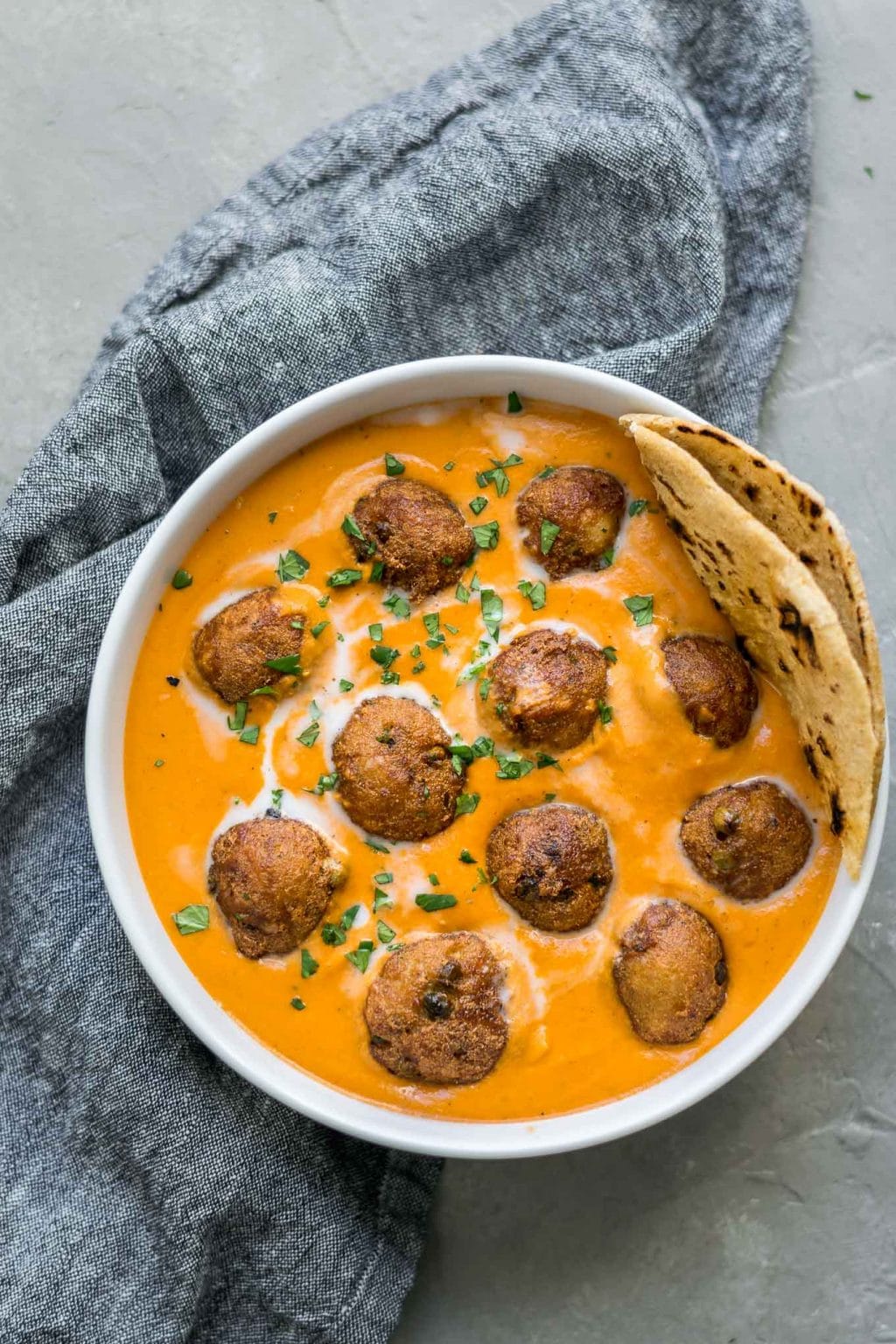
Tofu is pretty bland on it's own, so I add a bit of lemon juice for some acidity. Potatoes are boiled and mashed, and that's what holds the dumplings together. Corn starch (or substitute arrowroot or tapioca starch) helps absorb some of the extra moisture from the tofu and potatoes and makes the balls nice and crispy when they fry (or bake).
Minced cilantro is added for flavor, and don't forget to use the stems! There's so much flavor in cilantro stems, and when they're minced and added to the dumplings you won't even notice them. Garam masala makes spicing the kofta a cinch, and I love the addition of juicy sweet green peas.
The kofta are most traditional when deep fried. The soft dumpling mixture holds its round shape really well and you have a crispy outside and soft, melt in your mouth interior. Deep frying is not complicated at all, but it does require a lot more babysitting. You have to work in batches and keep a close eye on the temperature of the oil.
I'm not going to lie, deep fried is my favorite way to enjoy them. Pan frying doesn't quite do it for me. The dumplings are soft for panfrying and don't end up with that nice even crispy outside. Plus they're still absorbing oil, so you might as well be deep frying.
Baking uses less oil, with just a thin coating around the dumplings. The high heat is also able to crisp up the outside (albeit, less thin and crispy than frying) while the insides stay soft and creamy. Baking the kofta is also rather hands off, even if it takes about the same amount of time as frying the multiple batches. You can stick them in the oven and walk away, only returning once in to flip. I've included instructions both for deep frying and baking so you can decide for yourselves!
The golden cream sauce made to accompany the kofta is super easy and has the richest flavor. Onion, garlic, ginger, tomatoes, cashews, and spices are simmered until soft then blended until smooth.
Coconut milk is added for the cream. The mild coconut flavor is mostly overpowered by the tomato and spices, and it makes the sauce extra luscious. Malai (cream) is super rich, so to most closely substitute for it you can use only the cream from the can of coconut milk--the creamy and thick white stuff that separates to the top of the can.
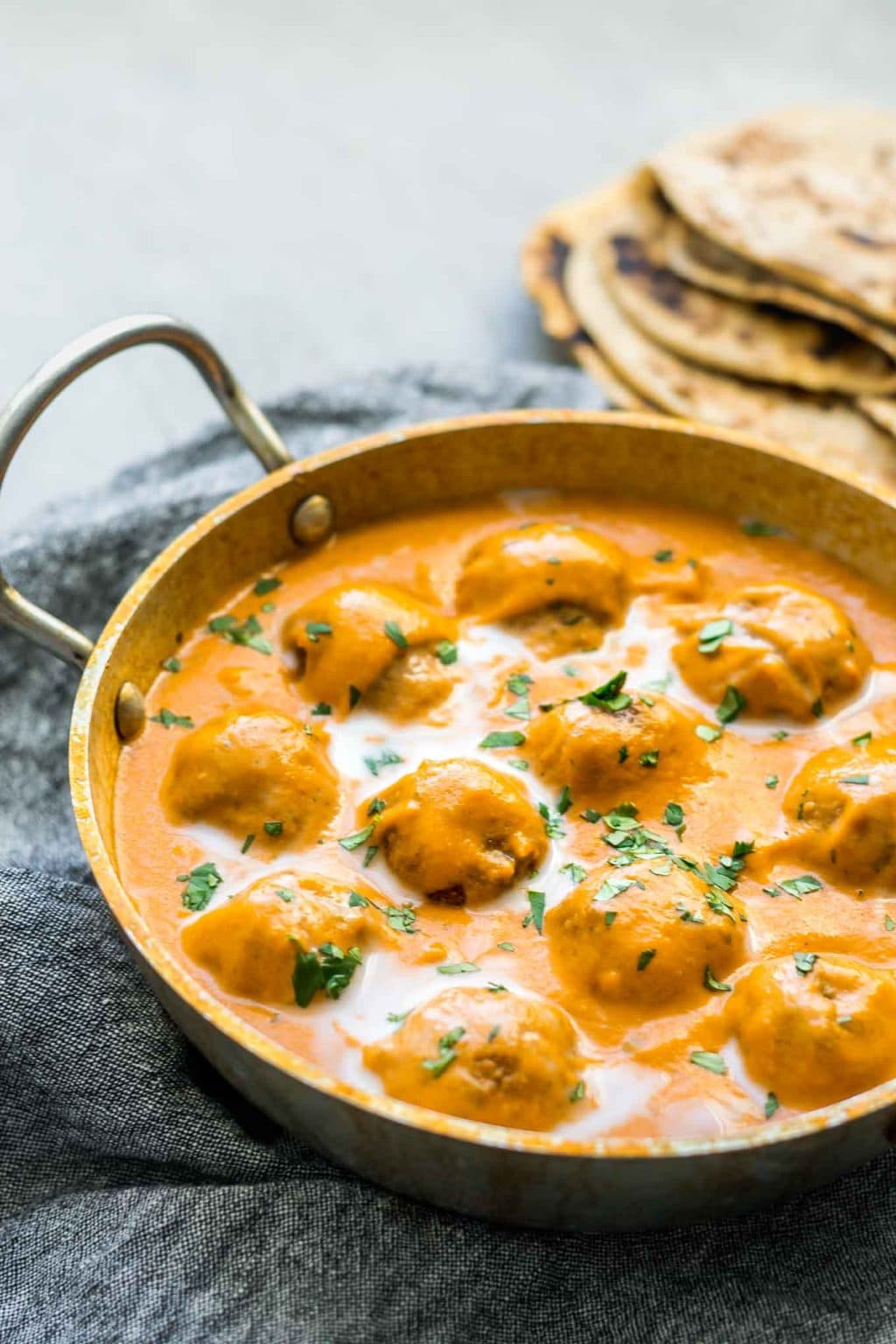
It's really good that way, and keeps the sauce nice and thick, but I'll usually dump in the whole can because otherwise I end up wasting the coconut water. If you can find a can of coconut cream it's perfect to use in this recipe. The sauce will cling to the kofta and thickly coat them when poured overtop to serve.
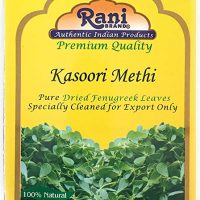
The final touch to the curry sauce is kasoori methi, or the dried leaves of fenugreek. It gives the curry that authentic and restaurant flavor. It's one of my favorite ingredients and one you should pick up if you don't have it already! But if you can't find it, you can substitute some fenugreek seed (add it along with the rest of the spices at the beginning to simmer and soften). Fenugreek seeds have some of the same smell, but won't replicate the flavor perfectly. It will still be excellent though.
This malai kofta has it all. A rich tasting, lusciously creamy curry sauce. Sneaky protein filled dumplings. It's so delicious served with basmati rice or flatbread, with some roasted curried cauliflower on the side.
One way to easily sneak in a little extra vegetable into the recipe is to add half a pound of baby spinach or chopped spinach into the sauce once it's blended along with the coconut milk and methi. You'll need to turn the heat over medium-low, cover, and stir occasionally until the spinach cooks down to almost nothing, another 10 minutes.
Extra bonus is to throw in some plain roasted cauliflower at the very end (the curried cauliflower would be more strongly flavored than you'd want). Adding veggies right into the sauce makes this recipe a complete 1-dish meal.
I hope you guys love this recipe! It's sure to impress anyone, with it's restaurant quality flavors and presentation. If you'd like to serve it with bread an easy shortcut is to buy frozen paratha (check the ingredients but plain paratha is usually vegan) at an Indian grocery store. Maybe someday I'll perfect my chapati recipe enough to feel comfortable sharing it :).
If you make my vegan malai kofta, please comment and rate the recipe below. I’d love to know what you think! As always, don’t forget to tag your recreations @thecuriouschickpea and #thecuriouschickpea on Instagram, or share with me on Facebook!
As a little aside, if anyone is on Pinterest, I'm finally on there and would love to connect with you!
Notes:
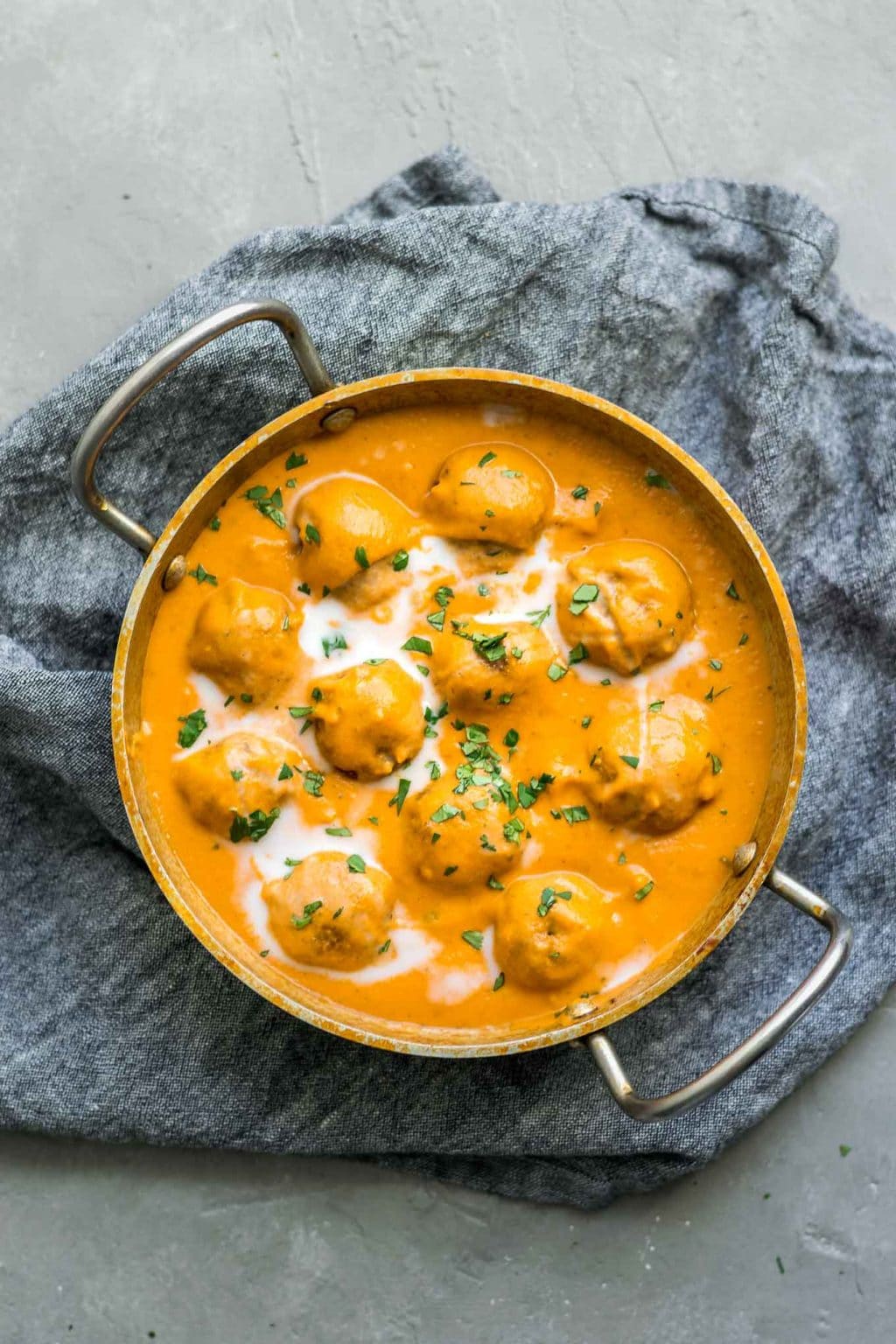
- Keep the dumplings separated from the sauce until serving. Leftover dumplings are best reheated in the oven until crispy, then spooned over with sauce. If microwaving leftovers or putting sauce on in advance the baked kofta hold up a bit better.
- If you bake the kofta, they won't look exactly like this. They don't get the same beautiful, even golden color and usually collapse a little into more of a puck shape while baking. Still delicious though!
- If frying the kofta, using vegetable shortening will produce the least greasy feeling dumplings, as it turns solid as it cools. I'll often use a mixture of canola oil and shortening. Just make sure to double check that the fat you use is stable to at least 400 ºF.
- The recipe isn't spicy as written, with just a subtle hint of heat from the cayenne. Feel free to add more if you want it spicy, or add some dried Indian red chiles to the sauce after blending. Keep in mind that the coconut milk tempers the spice, softening any heat.

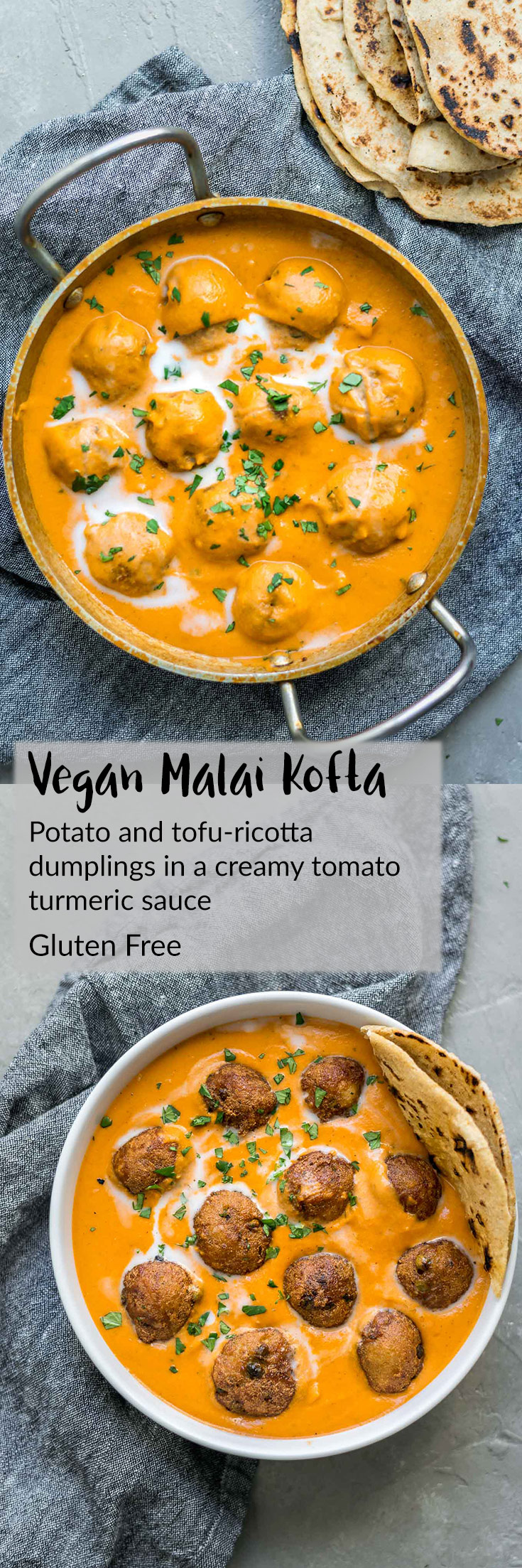
Vegan Malai Kofta: Indian Dumplings in Curry Tomato Cream Sauce
Potato and tofu-ricotta dumplings are fried or baked until crispy on the outside and soft inside, then served with a flavorful curried tomato cream sauce. Enjoy with some Indian flatbread or basmati rice.
Ingredients
Kofta
- 1 ¼ lb yukon gold potatoes (generally 4-6 potatoes)
- 1 lb firm or extra firm tofu
- ½ cup corn starch or arrowroot starch, more if needed
- 2 tablespoon minced cilantro, leaves and stems
- 1 tablespoon lemon juice
- 2 teaspoon garam masala
- 1 ¾ teaspoon salt
- 1 cup frozen green peas
- oil for frying or baking
Curry Tomato Cream Sauce
- 1 large yellow onion, coarsely chopped
- 1 32 oz can diced tomatoes
- ¼ cup cashews
- 4 cloves garlic, chopped
- 1" piece fresh ginger, chopped
- 1 ½ teaspoon garam masala
- 1 teaspoon ground turmeric
- ½ teaspoon cayenne pepper
- 1 teaspoon salt
- 1 15 oz can coconut milk
- 1 tablespoon kasoori methi (dried fenugreek leaves), OR 1 teaspoon fenugreek seeds
- cilantro, for garnish (optional)
Instructions
- First cook the potatoes for the kofta. Peel and cut the potatoes in half, then place them in a pot and cover with water. Place a lid on the pot and bring the water to a boil over high heat. Turn the heat to medium and let boil for 10-15 minutes until the potatoes are fully cooked and easily pierced with a fork. Drain the hot water from the potatoes, mash them until smooth, and set aside.
- While the potatoes are cooking, start the curry tomato cream sauce. In a large heavy bottomed pot add the onion, canned tomatoes and their juices, cashews, garlic, ginger, garam masala, turmeric, cayenne, and salt. If you are using fenugreek seeds instead of kasoori methi, also add the fenugreek seeds at this point. Cover the pot and bring it to a simmer over medium heat. Let simmer covered for 15 minutes, stirring occasionally.
- Transfer the onion and tomato mixture to a blender and blend until smooth, making sure to vent so hot air doesn't build up in the blender. Alternatively, you can use an immersion blender, but the final sauce will not be as silky smooth. Pour the creamy mixture back into the pot and add the coconut milk, reserving ~¼ cup back to serve and crush the methi in your fingers and add to the pot. Mix together and cover the pot and set aside until the kofta are ready.
- In a large mixing bowl, mash the tofu by squeezing it in your hands until it's creamy and no chunks remain. You want to have the texture of ricotta. Alternatively you can blend it in a small food processor until smooth.
- Add the mashed potatoes to the mashed tofu along with the corn starch, minced cilantro, lemon juice, garam masala, and salt. Mix together and test the consistency by forming some into a ball. It should hold together. It can stick to your hands a little, but if it is very sticky or too wet and falling apart, you can add a bit more corn starch. This can vary depending on what brand and variety of tofu you use, but the recipe is quite flexible. Mix in the frozen peas. Shape the kofta mixture into heaping 1 tablespoon portions and roll into balls or into a football shape (a torpedo).
- To fry the kofta: Heat about 2-inches of high heat safe oil in a heavy bottomed pot over medium-low heat. Test the oil either with a thermometer until it is 325-350 ºF or you can test with a small piece of the kofta mixture: the oil should bubble/boil vigorously around it and the kofta should float to the surface fairly quickly after being dropped in. When the oil is heated fry the shaped kofta in batches, being careful not to overcrowd the pan, until the kofta is a beautiful dark golden brown color, flipping halfway through for even cooking. This should take 5-10 minutes, depending on the temperature of your oil, how much oil you have heated (more oil means the temperature is more stable when you add the kofta), and how many kofta you add at once. When the kofta are cooked, transfer to a paper towel lined plate with a wire spider strainer. Repeat with remaining batched of kofta until all are cooked.
- To bake the kofta: Preheat the oven to 425 ºF. Line a baking tray with parchement and spray or brush with oil. Arrange the shaped kofta onto the baking tray so there is ½-1" between each kofta. Spray or brush the tops with oil. Bake for 30-40 minutes, flipping after the first 15-20 minutes, until both sides are golden and the edges of the kofta are crispy and chewy. It's normal for the kofta to lose their shape a little and flatten when baked.
- When ready to serve, pour the sauce overtop the kofta (only use what you will eat in one sitting, as the kofta get soggy once in the sauce), then pour the reserved coconut milk over top the kofta. Garnish with cilantro if desired. Enjoy with Indian flatbread and/or basmati rice.
Notes
Loosely adapted from Indian Healthy Recipes
Recommended Products
As an Amazon Associate and member of other affiliate programs, I earn from qualifying purchases.
Love Indian food? Consider making some of these recipes!
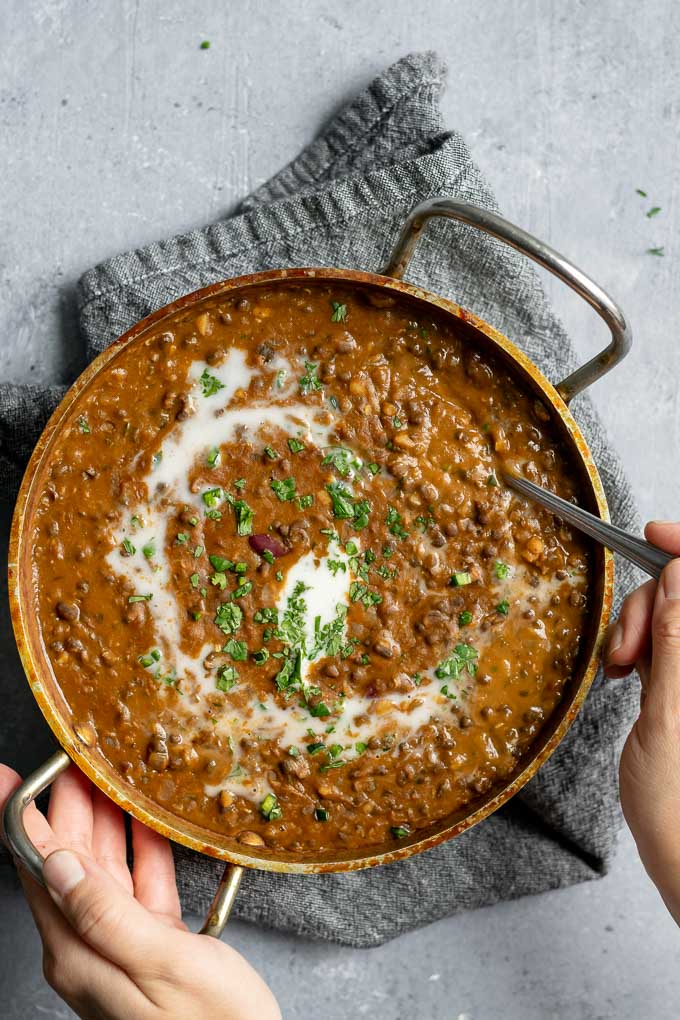
Vegan Dal Makhani:
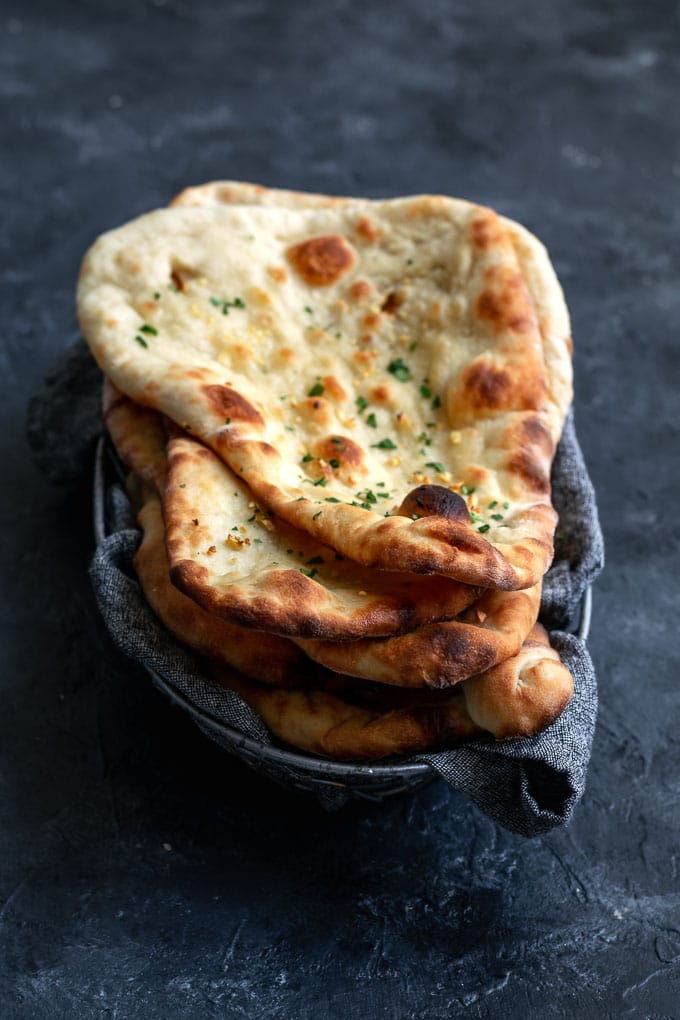
Vegan Restaurant Style Naan
I have made these multiple times and they always come out great! I have even frozen some of the dough when batch cooking, and although it thaws a bit soggy, the kofta balls still come out of the oven with the perfect texture, you just have to work quickly with the dough to get it into the oven.
And my toddler loves them!
This sauce!! OMG, it's so easy and so good. I brought some to work and my co-worker talked about it all shift. Even better the next day. This whole recipe is kid friendly and decently easy. Thanks so much!
Thank you for this recipe! The sauce is so good! I did something a little different for the kofta - instead of potatoes, I used yuca. And instead of frying, I added some coconut oil and cooked in the belgium waffle maker.
wooooow,amazing dish.greetings from israel
Hi... I run a charity group providing fresh cooked, nutritionally balanced, tasty hot lunches ( vegetarian) to children in low decile ( poor) schools... we have been going for 6 years providing approx. 1000 meals / week ( all cooked on the same day and delivered to various schools)...The last day of term we like to do something special for the kids and was searching on internet for inspiration and found this recipe for kofta malai... Of course ,I will need to multiply the recipe by 100x ( for example the 1/4 cup cashews in the sauce becomes 3.5kg cashews) but I am excited to try this out with the kids next week and expose them to new flavours... I will combine it with a rice dish and a cake or trifle for a complete lunch... I will use homemade panir ( milk curd) instead of tofu because of cost considerations.. anyway, thanks for the recipe and your website..I let you know how it goes!
If you have s few minutes and would like to check out more of our lunch in schools program in NZ, there is a short documentary here https://m.youtube.com/watch?v=IxkgG6FNYg4&t=287s
Many thanks..best wishes...buddhi
Thanks for the nice comment and I'm glad I was able to provide some inspiration! Your school lunch program is impressive and I love the mission statement! I hope that you and the kids enjoy the kofta! As I've never made my recipe with paneer, I do recommend that you do a test run to make sure the consistency of the kofta is correct before multiplying the recipe. I'm sure you are already on that, but I just wanted to make sure! 🙂
This is a great recipe, I have made a few times now, shared the recipe with friends at work, they love it too!
I can't wait to try this, it looks delicious! Is it necessary to put oil on them before baking?
It's not absolutely necessary, but does help it crisp. If you are forgoing the oil, definitely don't skip the parchment paper or a silicon mat so they won't stick!
i made this tonight and used a little oil for baking. It was amazing! My husband and I both loved it and even my mother in law (who eats very little) kept eating and eating! I will definitely be making this again.
You’re a fantastic cook.
This looks amazing!! My mom is going to make this & I'm so excited! I will let you know how it goes 🙂
p.s. all the recipes on here look incredible! You're an amazing chef.
I made this today and I've never left a comment on a recipe before. Although my baked koftas flattened in the oven (like cookies, I assume because it was too wet) they were delicious and the sauce was brilliant. My entire family couldn't stop eating them including my picky preschooler who kept eating them from my plate. Thank you for this and I plan on making many more of your dishes.
Thanks for taking the time to comment! I'm glad you enjoyed the kofta and sauce, and that it was kid approved! I think the kofta were a bit wet from the sounds of it, maybe next time try pressing water out of your tofu before using. The baked ones do flatten a bit, but shouldn't be super thin. 🙂
I made this and it was terrific. I used no oil and just 1/4 cup corn starch (as opposed to 1/2 cup) and the dumplings held together just fine. I recommend making a double or even triple batch of the sauce because I had way more dumplings than sauce with the above recipe.
Hi Eva, could you use chick pea flower instead of corn flower?
Many Thanks
Raj
Hi Raj, it's better to use a starch if you have one, like tapioca starch (aka tapioca flour), arrowroot powder, or something similar. Chickpea flour would change the texture of the kofta, but it could be used as a binder if that's what you have! Not 100% sure on amounts though.
I can't believe how good this is! Even baked, the kofta were still fluffy. I'm so glad I came across your site. Thanks a million!
Hi, this was delicious, I am making it for the second time today after my daughter requested it for her birthday dinner after she had it the first time a couple months ago! It tastes so much like my favorite Indian restaurant's version of this dish! However, I have to suggest you revise the preparation time. I'm not an inexperienced or inefficient cook, this is my second go at this recipe, and I have just completed making the balls and it took me a full hour to make and get them in the oven. Peeling potatoes, mashing them up and mashing up the tofu, not to mention forming the balls--I can't imagine that anyone could do even this part in just 15 minutes!!! I assume I could make the sauce while they bake (I'm going to make the sauce a bit later) but even so that would take a full hour and a half of active time to get this meal on the table. Nonetheless it's well worth all the time and effort!
@Kathryn Hallor, I don't peel my potatoes and mash the tofu on the pulse setting of my food processor to cut some time. I also like to cook the potatoes the day before.
Delicious! Tofu & potatoes make the perfect combination for vegan malai kofta. Love this recipe. Thank you.
Can I mix the tofu and potato, leave it in the fridge overnight, then bring to room temperature and fry the next day?
You know I haven't tried this, but I don't see any issues! I'd probably fry from cold even, no need to bring to room temperature first.
@April Rain, I often make the kofta mix the day before. I just cook from cold.
This was so delicious! My non-vegan family loved it, too! I baked the kofta and they were light and fluffy and went perfectly with the curry sauce. Thanks for the recipe!
Anyone try this with regular Idaho potatoes? Have them on hand, but no Yukon.
There shouldn't be any issues changing the potatoes to Idaho/russet. They'll just be a bit starchier in the kofta!
Thanks, I went ahead and purchased Yukons. Great recipe. Thanks!
Hello! This recipe looks great! Quick question - can I use dry peas instead of frozen ones? If so, should I cook them first? Thanks!
Hi Valerie, are you talking about dry green peas? You want the juicy bite of the fresh vegetable (frozen is easiest or if you can find them fresh that is fine too, I'd avoid canned). I don't believe they would cook back to that same texture they have as fresh. It's better to just leave it out or maybe use some petite diced carrot instead.